The Integrated Impact Leader: Why CDOs Must Unify Fundraising, Marketing, and Programs for Sustainable Growth
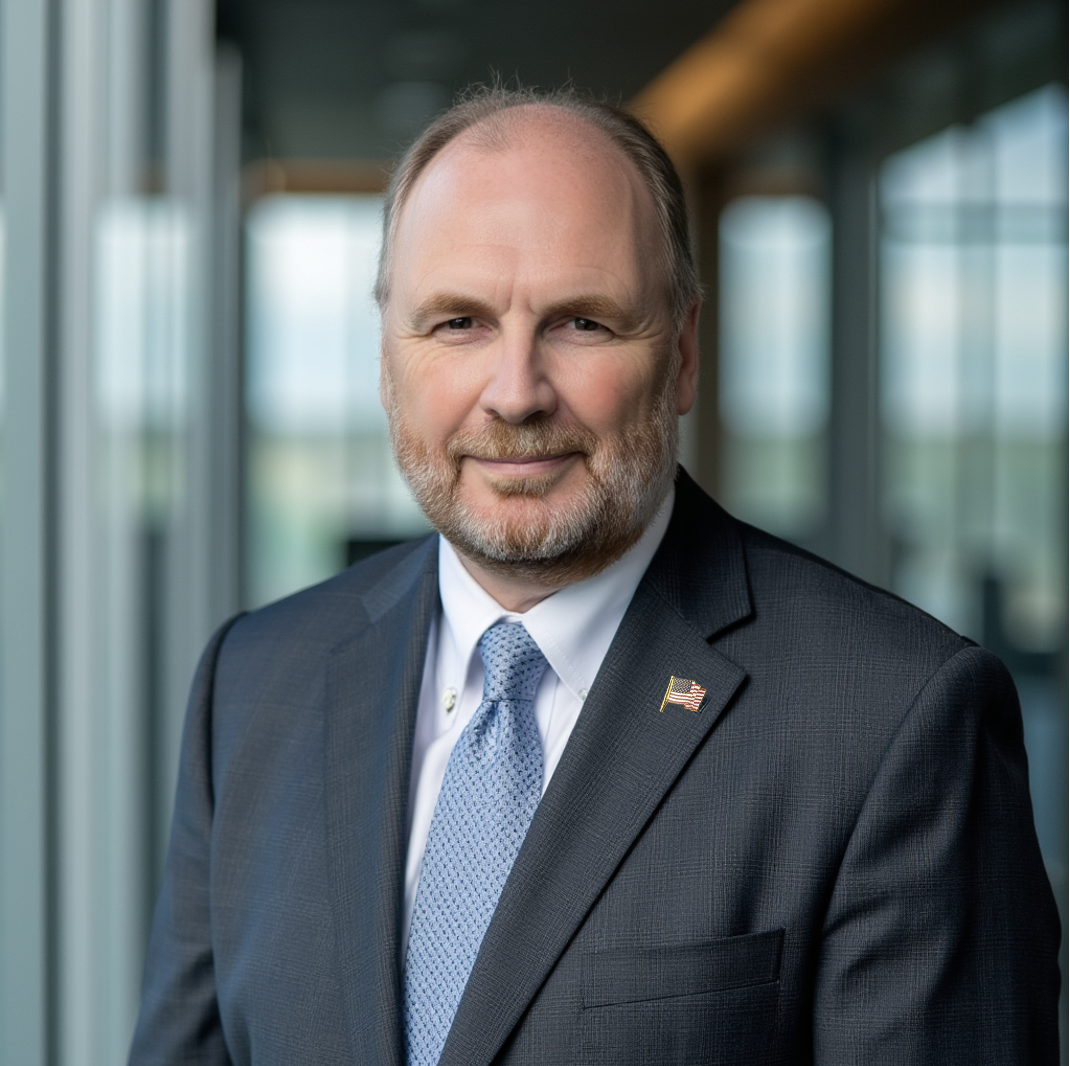 By James Gillen, CFRE·
I’ve spent my career navigating the diverse landscapes of both for-profit and nonprofit sectors, and one constant observation has consistently stood out: the most impactful organizations are those that operate with a deeply integrated vision. It became clear early on that the conventional, siloed approach to nonprofit functions — where fundraising, marketing, and program delivery often exist as separate fiefdoms — was a significant barrier to achieving true, sustainable impact. I’ve often seen organizations underperform precisely because they treat these critical levers as entirely discrete entities.
At Hire Heroes USA, and in my previous roles, I’ve aimed to dismantle these artificial walls. My experience has shown me that sustainable growth doesn't come from a series of independent departments hitting individual targets. It emerges when we view the donor journey, the brand narrative, and the mission impact as inextricably linked parts of a single, coherent strategy. This isn't just about efficiency; it's about optimizing every touchpoint to amplify our message, secure resources, and ultimately, deliver more effectively on our mission.
This isn't to say that every CDO needs to be an expert in every single operational detail across all these domains. Rather, it means the CDO's role is to act as the chief architect of integration – ensuring that the strategy flowing from their office weaves together development, marketing, and program success into a single, powerful thread.
Breaking Down the Silos: A Strategic Imperative
When I first started in this field, I noticed a pervasive mindset: "fundraising is about asking for money," "marketing is about telling our story," and "programs are about doing the work." While these statements hold a kernel of truth individually, they become dangerously reductive when seen in isolation. What I've learned is that fundraising is exponentially more effective when deeply informed by marketing's ability to articulate value and programs' tangible impact.
Consider the perennial challenge of reporting back to donors. If fundraising is disconnected from actual program delivery, the stories we tell become generic, lacking the specificity and emotional resonance that truly moves people. Conversely, if our program teams are executing incredible work but marketing doesn't have the tools or insights to package that impact compellingly, it’s a missed opportunity to engage new supporters and retain existing ones. And if development isn't strategically feeding insights from donor engagement back into marketing and program design, we risk creating a disconnect between what our stakeholders care about and what we're presenting.
At Hire Heroes USA, for example, our marketing team isn't just promoting the idea of veteran employment; they're showcasing the tangible outcomes of our career services—specific veterans who’ve found fulfilling jobs, the economic benefits for their families, and the impact they bring to their new employers. This isn't possible if marketing isn't directly plugged into the program team’s successes and data. Simultaneously, our development team uses these nuanced stories and data points to build compelling cases for support, demonstrating concrete return on investment for our donors and partners. It creates a virtuous cycle: improved programs create better stories, better stories attract more resources, and more resources enable more impactful programs.
Data as the Unifying Language
In my experience, data is the most potent tool for collapsing these silos. It provides a common language and objective understanding across departments. When I was at United Way Suncoast, we focused heavily on using data to demonstrate the impact of our work on education, financial stability, and health. This meant that our communications team wasn't just crafting feel-good narratives; they were communicating measurable outcomes. Our development team wasn't just asking for money; they were presenting investment opportunities backed by empirical evidence of community change.
This required a cultural shift, moving from anecdotal reporting to a data-driven narrative. It meant investing in systems that could track program participants, their progress, and the long-term effects of interventions. This granular data, in turn, fueled more targeted and effective marketing campaigns and provided development officers with powerful tools to cultivate major donors and secure grants. When a CDO champions this data-centric approach, they empower every team to speak the same language of impact, reinforcing the organization's credibility and effectiveness.
The CDO as the Architect of Integrated Impact
I believe the modern Chief Development Officer, especially in organizations striving for significant social change, must evolve beyond being solely a chief fundraiser. They must become the Chief Impact Officer, responsible for weaving together all threads that contribute to the organization's mission fulfillment.
This means the CDO needs to be deeply involved in strategic planning for marketing and communications—not just reviewing pitches, but shaping the overall narrative and brand strategy. They need to understand how program design influences donor appeal and volunteer engagement. And critically, they need to ensure that the organization’s external message is always aligned with its internal operations and strategic goals.
Think about corporate partnerships. When I'm building relationships with companies at Hire Heroes USA, it’s not just about securing financial contributions. It's about finding strategic alignment: how can their philanthropic goals intersect with our mission to empower veterans, and how can we design partnership opportunities that offer a genuine win-win? This often involves collaborating closely with our program teams to create tailored veteran hiring initiatives, and with our marketing team to tell a compelling co-branded story that highlights shared values and mutual impact. This level of integration ensures that partnerships are not transactional, but truly transformative for both parties and, most importantly, for the veterans we serve.
It’s also about changing the internal perception. Too often, program staff view fundraisers as simply asking for money, and marketing as being disconnected from the 'real work.' An integrated CDO works to bridge this gap, fostering a culture where every team member understands their role in telling the story and securing the resources essential for the mission. It’s about building a shared sense of ownership over the entire impact chain.
Beyond Reactive Fundraising to Proactive Strategic Development
My journey, particularly through leadership roles at organizations like The Mission Continues and United Way Suncoast, has reinforced a crucial lesson: organizations that merely react to funding opportunities or market trends will always struggle for long-term stability. Sustainable growth—the kind that allows you to scale impact and weather economic shifts—comes from proactive, strategic development.
This proactive approach is inherently integrated. It means the CDO is not simply waiting for the program team to provide outcomes to report, but is actively involved in setting impact metrics that resonate with donor interests. It means marketing isn't just about creating campaign materials, but about conducting market research to understand donor motivations and segmenting audiences for maximum engagement. It means development isn't just about cultivating relationships, but about identifying emerging philanthropic trends and designing innovative funding models that position the organization for future success.
For instance, shifting the narrative around veteran employment from charity to competitive advantage requires a deeply integrated strategy. It means our marketing emphasizes the skills, loyalty, and problem-solving abilities veterans bring to the workforce. Our program design focuses on translating military experience into civilian-ready skills. And our development efforts articulate the significant ROI for companies that invest in hiring veterans. This integrated approach elevates the conversation, attracts new types of partners, and ultimately creates more opportunity for veterans. It's about seeing the big picture and systematically aligning every piece of the organization to achieve it.
The future of nonprofit leadership, particularly for CDOs, lies in this integrated approach. It’s about being the strategic connector, the unifier who ensures that every dollar raised, every story told, and every program delivered contributes synergistically to the organization’s overarching mission. It's challenging, demanding, and requires a broad understanding of the entire operational landscape, but it’s the only way to move beyond incremental gains to truly transformative and sustainable impact.