Storytelling Amplifies Reality, It Doesn't Replace It
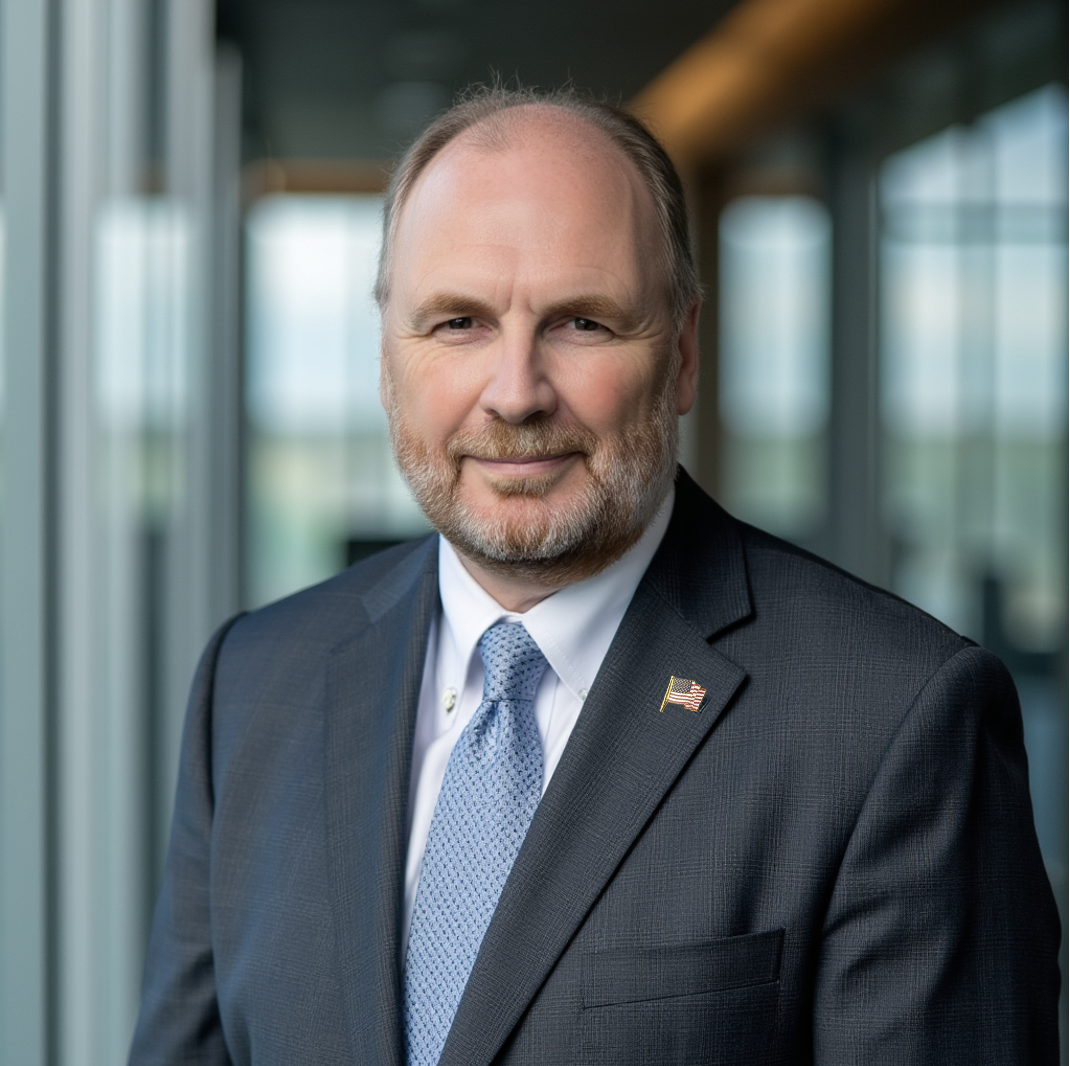 By James Gillen, CFRE·
I once sat in in a meeting where a significant donor, someone who had given consistently for years, was explaining why they were pulling their support. It wasn't about the mission; they still believed in it. It wasn't about the impact they'd seen; they acknowledged that. It was simpler, and in some ways, more damning. "You're organization tells a great story," they said, "but every time I try to get a clear answer, it feels like I'm talking to a different organization." That stuck with me.
Most organizations are now obsessed with storytelling. We are told, rightly, that stories connect, that they move people, that they inspire action. And they do. But for many, storytelling has become the primary strategy, almost a magic bullet. We invest heavily in compelling narratives, slick videos, and emotional campaigns. We want to humanize our work, show the faces of those we serve, and articulate the profound 'why' behind our existence. This is all good, even necessary. The problem begins when we mistake the amplification of a story for the substance of the organization itself. Storytelling, no matter how powerful, is a tool to communicate reality. It cannot permanently replace it.
The Modern Obsession With Storytelling
Walk through any nonprofit conference, scroll through social media feeds, or review annual reports, and a common theme emerges: the primacy of storytelling. We’ve entered an era where the narrative often feels more important than the underlying infrastructure. Digital platforms, the rise of personal branding, and the emphasis on emotional connection have all fueled this trend. We see organizations pour resources into marketing departments, bringing on storytellers, content creators, and social media strategists, sometimes before they’ve fully invested in the operational backbone that makes the stories real and sustainable.
To be clear, I am not anti-storytelling. At Hire Heroes USA, we exist to help veterans and military spouses find meaningful employment. Telling the stories of their transition, of their resilience, and of the employers who value their service is fundamental to our work. These stories open doors. They build an initial emotional bridge for donors, partners, and the public. They humanize a complex issue. Without them, our mission would remain abstract. But a story creates an expectation. If that expectation isn't met by a robust, well-run operation, the initial connection quickly dissipates.
Many organizations have started investing more in external perception than internal capability. It’s like building a beautiful façade on a house with a crumbling foundation. For a while, it might look impressive, but the cracks eventually show. This disconnect often leads to a reliance on 'campaigns' rather than 'systems.' A powerful story can drive a surge of donations for a specific campaign, but without the underlying systems to steward those donors, demonstrate long-term impact, and forecast future growth, that surge is temporary. It’s a boom-and-bust cycle that leaves organizations perpetually chasing the next viral moment, rather than building enduring relationships.
What Actually Sustains Organizational Growth
I’ve spent years in leadership roles, both in for-profit and nonprofit sectors, and one truth consistently emerges: infrastructure matters more than hype. While storytelling generates initial interest, sustained growth, impact, and trust are built on the bedrock of operational excellence. This isn't the glamorous part of the work, but it is the indispensable part.
Think about what truly makes an organization durable:
- Clear Operating Cadence: Do teams know what they need to do, by when, and how their work connects to the overall mission? Clarity prevents wasted effort.
- Robust Data and CRM Discipline: Can you track donor engagement, measure program outcomes effectively, and understand your constituent relationships over time? Without this, you're flying blind, relying on anecdotes instead of insights.
- Leadership Alignment: Are your executive and board leaders speaking from the same playbook? Do they have a shared understanding of strategic priorities, financial realities, and organizational challenges? Misalignment at the top creates chaos throughout the organization.
- Strategic Patience: Sustainable growth isn't a sprint. It requires long-term planning, consistent execution, and the willingness to invest in systems that may not show immediate returns but build capacity over time. This means prioritizing relationship-building over transactional gains.
- Cross-Functional Collaboration: Do your fundraising, marketing, program, and finance teams work together seamlessly, or do they operate in silos? The best organizations eliminate friction points between departments, understanding that the donor journey, for example, touches every part of the organization.
- Talent Development: Are you investing in your people? Are you providing them with the tools, training, and leadership they need to excel? A strong story is told by strong people, not just compelling words.
These are the unsexy elements that build real capacity. They don't generate headlines, but they create the conditions for consistent impact and responsible stewardship. They allow an organization to scale, to absorb growth, and to weather challenges without compromising its integrity or mission.
The Trust Equation: Storytelling Creates Connection, Execution Creates Trust
The donor in that meeting wasn’t unimpressed by our story. They were unimpressed by our execution. They felt a lack of clarity, a lack of cohesive follow-through. Storytelling creates an emotional connection, a spark of interest. It's the first step in the relationship. But execution, the consistent delivery on promises, the transparent communication, and the measurable results – that is what builds trust, which is the currency of long-term support.
Donors are increasingly sophisticated. They want to see impact, not just hear about potential. They want transparency, not just compelling narratives. They look for:
- Consistency: Does the organization deliver on its mission day in and day out, or is it reliant on sporadic moments of genius?
- Responsiveness: Are questions answered, promises kept, and concerns addressed promptly and professionally?
- Transparency: Is there clear communication about how funds are used, what challenges exist, and what outcomes are being achieved?
- Measurable Outcomes: Can the organization articulate its impact clearly and quantitatively, beyond just heartwarming tales?
- Leadership Competence: Do the leaders inspire confidence through their strategic thinking, operational discipline, and ethical conduct?
When a story is not backed by operational maturity, it eventually feels hollow. It’s like a promise whispered in the wind – quickly forgotten because there’s no substance to anchor it. This is why many organizations plateau. They hit a ceiling not because their mission isn't compelling or their stories aren't moving, but because their internal engine can't sustain the weight of the growth their stories attract. The backend isn't scalable, the culture is fragmented, and there's an over-reliance on the next big campaign rather than the patient, disciplined work of building systems and stewarding relationships.
The Best Organizations Do Both
The takeaway here is not to abandon storytelling. Far from it. The strongest organizations are not just great storytellers; they are organizations with great stories worth telling because they are built on solid foundations. They understand that storytelling and operational excellence are not mutually exclusive, but rather two sides of the same coin.
They use powerful narratives to:
- Attract attention.
- Ignite passion.
- Explain complex problems in human terms.
- Inspire action.
But they concurrently invest in:
- Scalable systems.
- Disciplined execution.
- Transparent measurement.
- Leadership alignment.
- A culture of accountability.
They build something worth amplifying. Their stories are authentic because they reflect a robust, impactful reality. The organization's internal health matches its external presentation. This alignment builds deeper trust with donors, creates a more empowered and clear-eyed team, and generates truly sustainable growth. The organizations that thrive long-term aren't just loud; they're solid. They know that a powerful story wins a donor once. Operational excellence is what keeps them.