From Empathy to Economics: Why Partnering with Veterans is Good Business
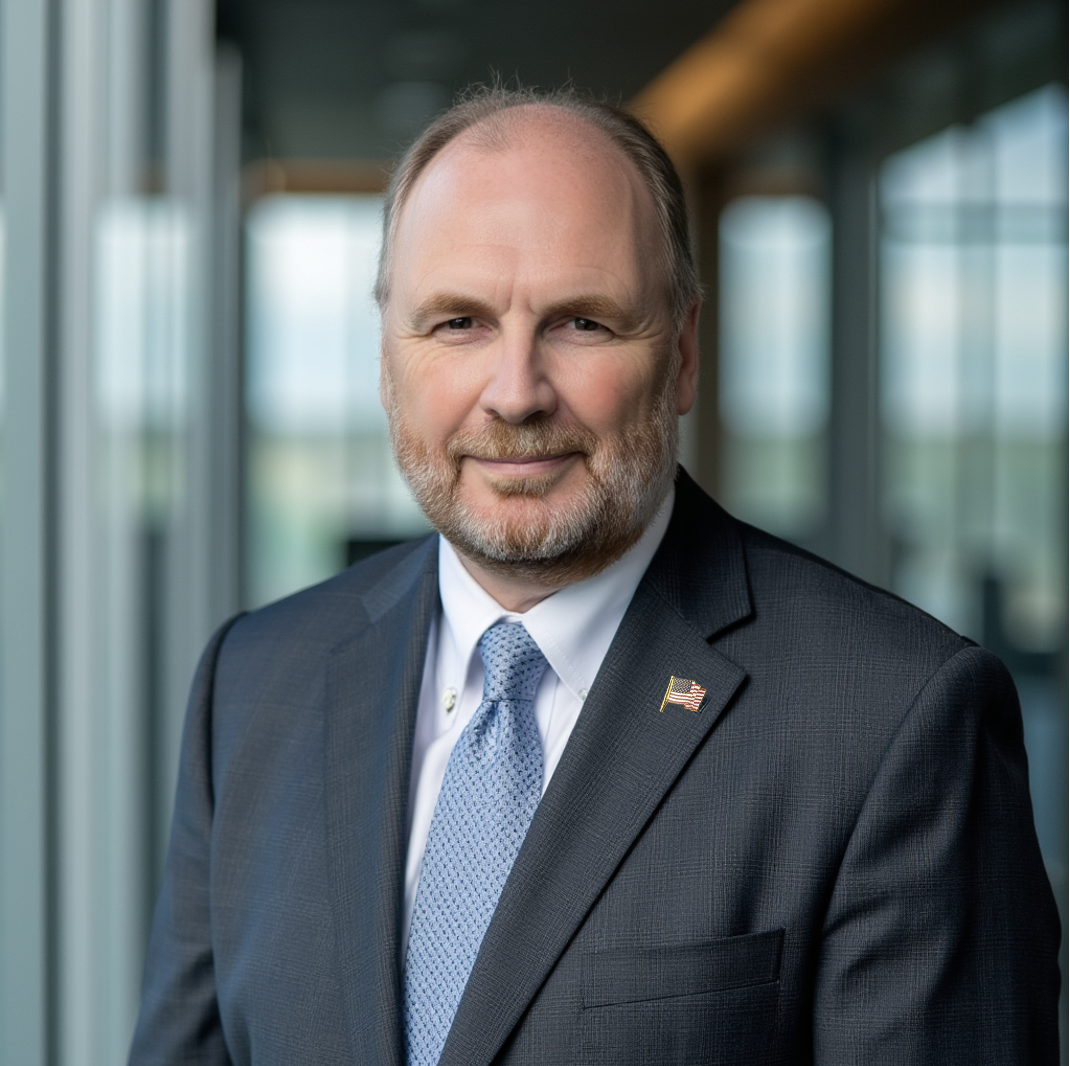 By James Gillen, CFRE·
I often hear conversations around 'supporting our veterans' framed in terms of charity or goodwill. While noble, this perspective misses a critical point: investing in veteran talent is not just a philanthropic endeavor; it's a strategic business imperative that delivers measurable return on investment. At Hire Heroes USA, we see every day how veterans and military spouses bring a unique and invaluable skillset to the civilian workforce. Companies that recognize this aren't just doing good; they're gaining a competitive edge, building stronger, more resilient teams.
This isn't about patting ourselves on the back for helping those who served. This is about understanding the tangible, bottom-line benefits that come from tapping into a highly-trained, disciplined, and adaptable talent pool. My experience across both non-profit and for-profit sectors has taught me that sustainable impact is always rooted in a clear value proposition, and the value proposition for veteran employment is undeniable.
The Misconception of Charity: Reframing the Narrative
The perception that hiring veterans is primarily a 'charitable act' is perhaps the biggest hurdle we face. It conjures images of concessions or lower expectations, which couldn't be further from the truth. Veterans are not looking for handouts; they are looking for opportunities to continue serving and contributing, albeit in a different capacity. They are seeking to apply the leadership, teamwork, problem-solving, and adaptability skills honed in some of the most demanding environments imaginable.
When I speak with corporate leaders, I emphasize that these aren't soft skills; these are essential attributes for navigating today's complex business landscape. Think about the immediate impact of a veteran employee: many are comfortable operating under pressure, managing diverse teams, adhering to strict protocols, and executing complex plans with precision. These are qualities that translate directly into productivity, innovation, and a stronger organizational culture.
We've seen countless examples at Hire Heroes USA where a veteran, initially underestimated because of the 'charity' stigma, quickly rises through the ranks, bringing a level of dedication and strategic thinking that elevates their entire team. My role isn't just about fundraising to support veterans; it's also about fundraising to educate corporations on the profound business case for hiring them. It's about shifting the conversation from 'what can we do for them?' to 'what incredible value can they bring to us?'
What Veterans Bring to the Table: A Strategic Advantage
The transition from military to civilian life is undoubtedly challenging, but it also forges an incredibly robust set of professional competencies. When a veteran joins a civilian company, they don't just fill a role; they often elevate the entire team dynamic.
First, there's Leadership and Teamwork. Military service indoctrinates individuals with a deep understanding of leading by example, fostering cohesion, and sacrificing for the greater good of the mission. They understand hierarchies, but also the importance of empowering subordinates and collaborating across different units. In a corporate setting, this translates into employees who can quickly take initiative, mentor colleagues, and contribute effectively to cross-functional teams.
Secondly, Problem-Solving and Resilience are forged under extreme conditions. Military personnel are trained to assess situations rapidly, make critical decisions with incomplete information, and adapt strategies on the fly when faced with unexpected challenges. This isn't just theory; it's their lived experience. When a project hits a snag or a market shift demands a pivot, veteran employees often demonstrate an unparalleled ability to remain calm, analyze the situation, and develop creative solutions. Their resilience means they are often less deterred by setbacks and more focused on achieving the objective.
Thirdly, Discipline, Work Ethic, and Integrity are fundamental tenets of military culture. Punctuality, reliability, attention to detail, and a strong sense of personal responsibility are ingrained. These are the cornerstones of a high-performing workforce. Companies struggle with employee engagement and basic professional standards; veterans often arrive with these qualities already deeply embedded. This isn't to say every veteran is a perfect employee, but the foundation for these crucial attributes is undeniably stronger due to their prior service.
Finally, Diversity of Thought and Global Perspective. Military service exposes individuals to a vast array of cultures, viewpoints, and operational environments. They're often comfortable interacting with people from different backgrounds and adept at navigating complex geopolitical landscapes. This contributes significantly to a company's diversity, equity, and inclusion (DEI) initiatives, not just as a checkbox, but as a genuine infusion of different perspectives that can drive innovation and improve market understanding.
The Power of Strategic Corporate Partnerships
At Hire Heroes USA, our most impactful work often comes through deep, long-term corporate partnerships. These aren't just about a company writing a check; they are about co-creating solutions that benefit both the veteran community and the corporation's strategic goals. We work with companies to understand their talent needs, then connect them with veterans who possess the skills and aptitude to excel in those roles.
When a company invests in a partnership with an organization like ours, they are gaining access to a curated talent pipeline. We provide the expertise in translating military skills into civilian competencies, offering guidance on veteran recruitment, onboarding, and retention best practices. This reduces recruitment costs, improves retention rates, and ultimately, strengthens the corporate brand.
For example, we might partner with a logistics company that needs highly organized, detail-oriented individuals. We can identify former supply chain specialists or those with similar operational experience within the military. Or, a tech company might need project managers who can lead complex initiatives; we can connect them with officers who have managed large-scale operations under pressure.
These partnerships extend beyond simply filling vacancies. They often involve mentorship programs, professional development opportunities tailored for veterans, and initiatives that build a supportive internal culture. The companies that embrace this holistic approach discover that their investment yields not only a stronger workforce but also enhanced employee morale and a positive impact on their corporate social responsibility (CSR) profile – not through charity, but through smart, strategic engagement that benefits everyone involved.
Beyond Impact Reports: The Real Return on Investment
The ROI for investing in veteran talent isn't just anecdotal; it's quantifiable. Reduced turnover rates, increased productivity, improved team cohesion, and a stronger ethical culture all contribute to a healthier bottom line. Companies that actively recruit and retain veterans often report higher employee engagement and better customer satisfaction due to the inherent professionalism and dedication veterans bring.
Furthermore, the positive brand association that comes from genuinely supporting the veteran community can be significant. It resonates with customers, employees, and stakeholders who value patriotism and service. This isn't just about looking good; it's about authentic alignment with values that many people hold dear, which can translate into enhanced brand loyalty and a competitive advantage in the marketplace.
My experience has consistently shown me that the most effective way to drive social change within a non-profit is to clearly articulate its mutual benefit to all parties involved. When we can demonstrate that our mission to empower veterans also directly strengthens businesses, we move beyond asking for help and instead, offer a powerful solution. It's a win-win, where corporate strategy and social impact converge, proving that doing good can, and should, be good for business too.