Building Organizations That Endure: Why Sustainable Growth Requires Strategic Alignment, Not Just Fundraising
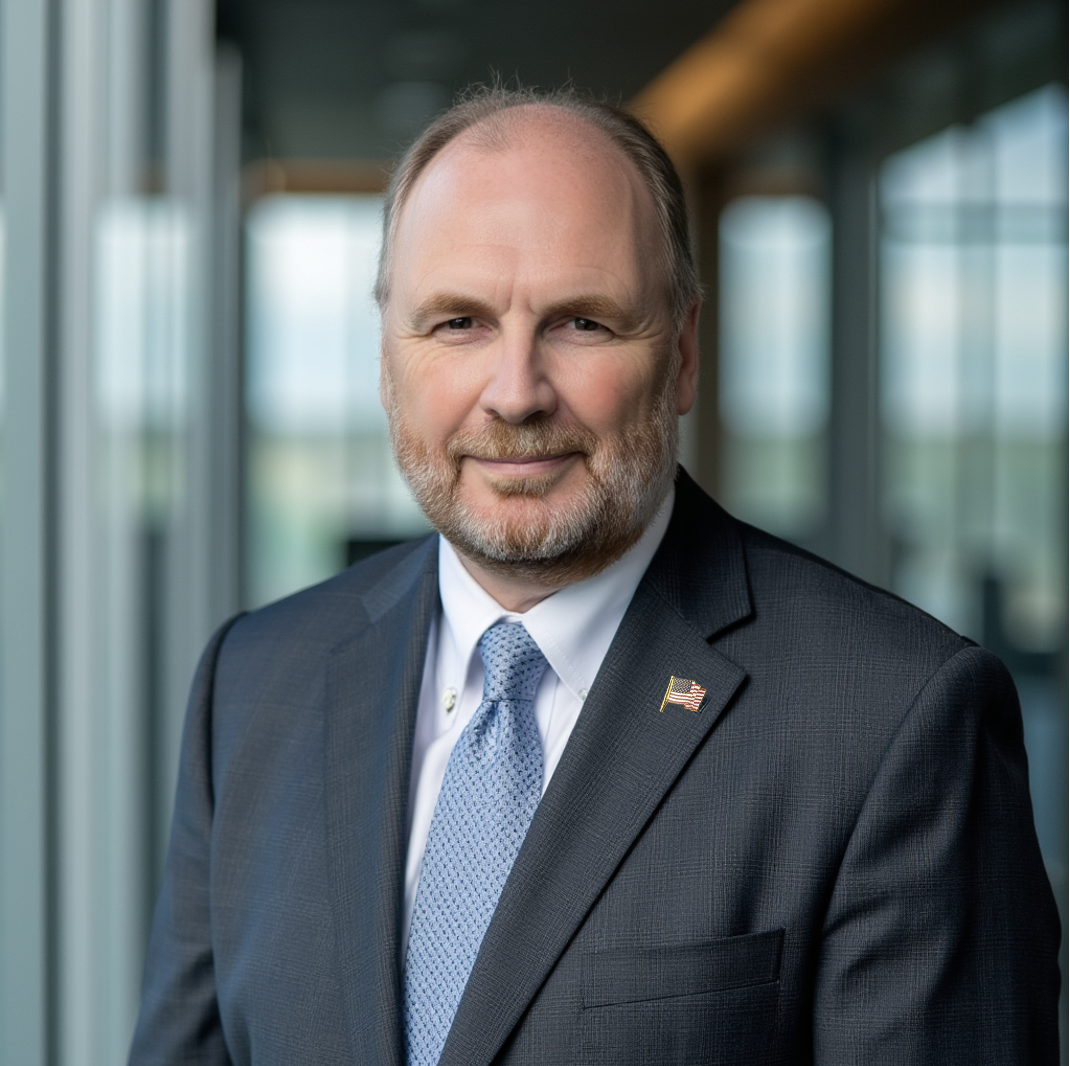 By James Gillen, CFRE·
There is a common misconception in the nonprofit sector that organizational growth is primarily a fundraising challenge. When revenue falls short, organizations often respond by hiring another gift officer, increasing proposal activity, launching a new campaign, or asking development teams to simply "raise more money." While these efforts may produce incremental gains, they rarely address the underlying issue.
In my experience, organizations do not plateau because they lack capable fundraisers. They plateau because they have not built the systems, culture, leadership, and strategic alignment necessary to sustain growth over time.
Over the years, I have had the privilege of serving as a founder, chief executive officer, chief marketing officer, chief development officer, and executive leader across both nonprofit and for-profit organizations. Those experiences have reinforced a lesson that transcends industry: sustainable growth is never the result of a single department. It is the product of an organization operating with clarity, discipline, and shared purpose.
Fundraising is one outcome of that work. It is not the strategy itself.
Growth Begins with Organizational Alignment
The highest-performing organizations I've encountered share a common characteristic. Their development teams are not operating independently from marketing, communications, finance, or programs. Instead, every function is aligned around a common mission and a shared definition of success.
Too often, development is viewed as the department responsible for generating revenue while the rest of the organization focuses on program delivery or operations. That perspective unintentionally creates silos, limiting the organization's ability to grow.
Donors do not experience organizations through organizational charts. They experience them through every interaction they have with the organization. A compelling mission, a trusted brand, transparent communications, measurable outcomes, and strong leadership collectively shape their confidence. When one of those elements is weak, fundraising becomes more difficult regardless of how talented the development team may be.
Conversely, when those functions are aligned, fundraising becomes significantly more effective because donors are investing in an organization that consistently demonstrates competence, accountability, and impact.
Growth, therefore, is not owned by the development department. It is owned by the leadership team.
Building Systems Instead of Chasing Results
One of the most significant shifts in my own leadership philosophy has been moving away from measuring activity and toward building systems.
Many organizations focus heavily on annual goals. They count proposals submitted, donor visits completed, events hosted, or campaign dollars raised. While those metrics are certainly important, they often describe what has already happened rather than providing confidence about what will happen next.
Sustainable organizations operate differently.
They understand the relationship between activity and outcomes. They know which actions consistently generate qualified opportunities. They maintain visibility into future revenue through disciplined pipeline management. They forecast with confidence because their decisions are supported by reliable data rather than optimism.
In one organization, we fundamentally redesigned the development function—not simply to increase annual revenue, but to create a repeatable growth engine capable of supporting the organization for years to come. We restructured teams, clarified roles, implemented measurable processes, strengthened forecasting, and created visibility into every stage of the donor pipeline. More importantly, we established accountability by connecting fundraising activities directly to outcomes.
The financial results were significant, but they were not the greatest achievement.
The greatest achievement was creating an organization that understood why it was succeeding and possessed the infrastructure to continue succeeding long after any individual leader moved on.
That distinction matters.
Organizations built around individual talent often struggle when leadership changes. Organizations built around disciplined systems continue to thrive.
Data Is a Leadership Tool, Not a Leadership Strategy
Technology has transformed the nonprofit sector over the past decade. Today's executives have access to dashboards, predictive analytics, artificial intelligence, donor modeling, and an extraordinary amount of operational data.
These tools have immense value.
However, data alone does not create better organizations.
The purpose of data is not to replace judgment but to improve it.
Strong leaders recognize patterns, ask better questions, and use information to reduce uncertainty. Data informs decisions. Experience provides context. Judgment determines the path forward.
The challenge facing many organizations today is not a lack of information. It is determining which information actually matters.
Boards do not need more reports.
They need greater confidence.
Leadership teams do not need additional metrics.
They need meaningful insights that improve decision-making.
The organizations that will thrive over the next decade will not necessarily collect the most data. They will be the organizations that develop the discipline to translate information into strategy and strategy into execution.
Stewardship Extends Beyond Donors
The word stewardship is often associated exclusively with philanthropy, but I believe its meaning is much broader.
Leadership itself is an act of stewardship.
Executives are entrusted with resources that belong to others. Donors entrust us with financial resources. Employees entrust us with their careers. Boards entrust us with governance responsibilities. Communities entrust us with advancing a mission that serves the public good.
Stewardship requires more than responsible financial management.
It requires thoughtful decision-making, transparency, accountability, and a willingness to prioritize long-term organizational health over short-term success.
The strongest leaders understand that every strategic decision either strengthens or weakens trust.
Trust is not built through marketing campaigns alone. It is earned through consistent behavior, honest communication, and delivering on commitments over time.
When organizations cultivate trust, fundraising becomes easier, partnerships become stronger, and employees become more engaged because confidence exists across every stakeholder group.
Trust is not simply a byproduct of effective leadership.
It is one of its most valuable outcomes.
Leadership Is Measured by What Endures
Every executive eventually leaves an organization. Leadership transitions are inevitable.
What remains is the true measure of leadership.
Did the organization become healthier?
Were future leaders developed?
Did governance improve?
Were stronger systems established?
Did partnerships deepen?
Was the organization better prepared to fulfill its mission than when you arrived?
Those questions matter far more than any single year's fundraising total or campaign result.
Early in my career, I measured success primarily by growth. Over time, I have come to believe that growth itself is only meaningful when it strengthens an organization's ability to create lasting impact.
Revenue matters because mission matters.
Strategy matters because stewardship matters.
Leadership matters because people matter.
Everything else follows.
Looking Forward
The nonprofit sector faces extraordinary opportunities in the years ahead. Artificial intelligence, digital engagement, evolving donor expectations, demographic change, and increasing demands for measurable impact are reshaping how organizations operate. These changes will require leaders who can think beyond traditional fundraising models and build organizations that are both adaptable and resilient.
The organizations that flourish will not necessarily be those with the largest advancement teams or the biggest campaigns.
They will be the organizations whose leaders understand that sustainable growth is an enterprise-wide responsibility—one that requires strategic alignment, operational discipline, trusted relationships, and an unwavering commitment to stewardship.
Fundraising will always remain an essential function. But organizations that aspire to enduring success must recognize that fundraising is not the engine of growth.
Leadership is.