Beyond Transactions: Building Authentic Corporate Partnerships
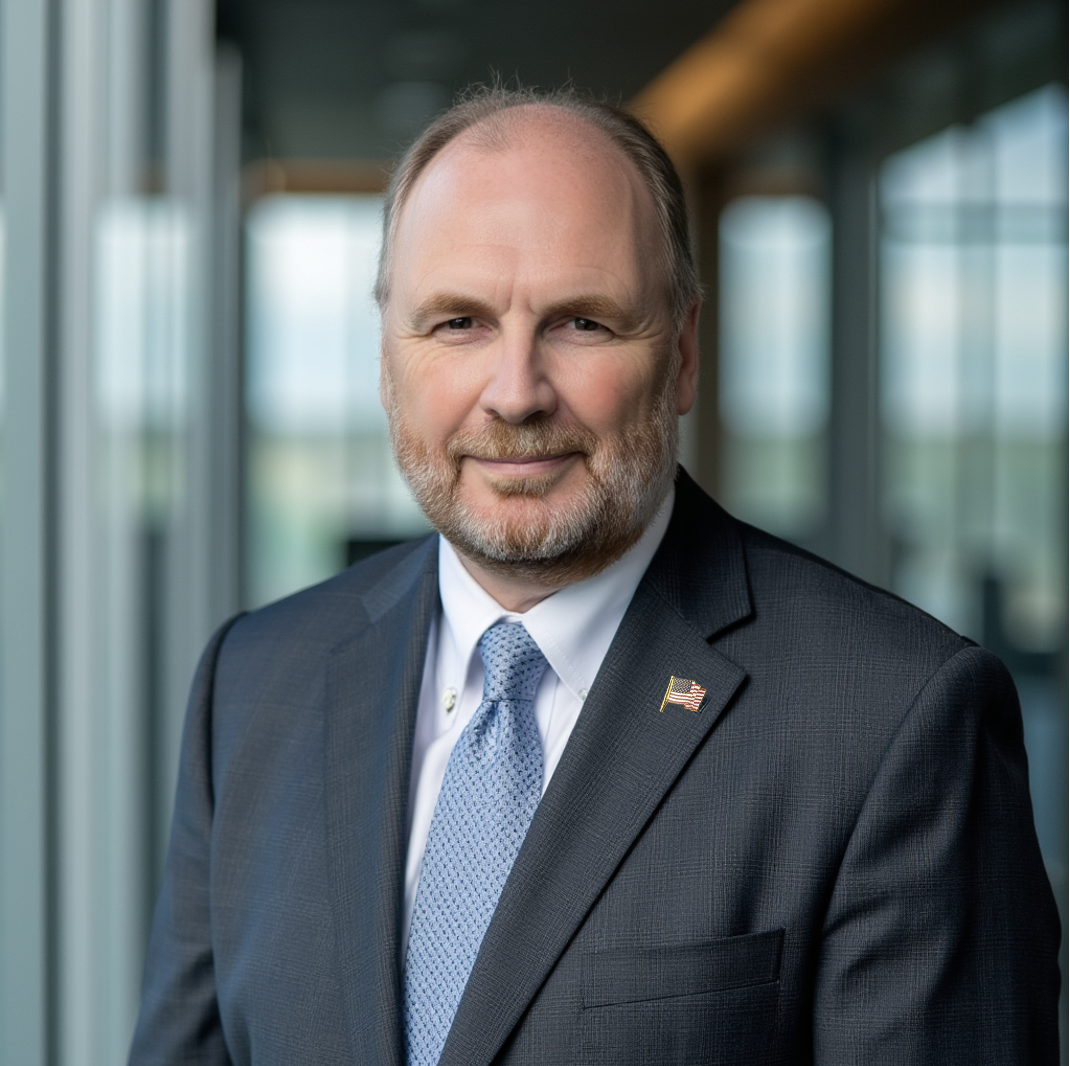 By James Gillen, CFRE·
I have sat in countless meetings where the conversation about corporate partnerships revolved solely around the size of the check and the marketing opportunities we could offer in return. It is a common pattern, one that many nonprofits fall into because it feels like direct revenue. This transactional mindset, however, caps our potential and limits the depth of engagement a true partnership can bring. It reduces a potentially impactful, mission-aligned relationship to little more than a vendor contract.
When we only focus on the immediate financial gain, we miss the opportunity to integrate our missions, leverage our combined strengths, and create sustainable impact that far outweighs a one-time donation. A check is important, certainly, but a true partner offers organizational value beyond just an amount on a deposit slip.
This shift from transactional to deeply integrated partnership isn't just about optics; it's about operational efficacy, long-term sustainability, and ultimately, greater mission impact. It requires a fundamental change in how we approach cultivation, stewardship, and the very definition of what a partner is.
Reframing the Value Proposition
To move beyond the transactional, you must first reframe your organization's value proposition to potential corporate partners. It is not enough to say, "We do good work, therefore, you should support us." That is a plea, not a proposition. Corporations, like any organization, operate on a structure of objectives, key results, and return on investment. While their 'return' might be different from a for-profit entity, it still exists in the form of employee engagement, brand reputation, talent pipelines, and community impact.
At Hire Heroes USA, we are not just asking companies for donations; we are presenting them with a solution to a critical talent need. Veterans and military spouses represent an often-underutilized pool of highly skilled, disciplined, and adaptable employees. When I engage with a corporate leader, the conversation usually isn't about charity. It's about talent acquisition, retention, and building a more resilient workforce. My role is to connect the dots between their business objectives and our mission, showing how supporting veteran employment isn't just good will, but good business.
This requires:
- Understanding their business objectives: What are their strategic priorities for the coming year? Are they struggling with workforce development, talent pipeline, employee morale, or brand perception in specific markets? Our 'solution' must align with their 'problem.'
- Quantifying your impact in their terms: If you help a veteran get a job, what is the value of that hire to the company? Think beyond the salary. Consider factors like retention rates, training costs, and the positive cultural influence of veteran employees. We have data that shows veterans we place are often retained at higher rates than non-veteran hires, saving companies significant recruitment and training costs. That is a measurable value proposition.
- Offering diverse engagement opportunities: Beyond financial contributions, what else can a partner do? Can their employees volunteer their skills? Can they host training events? Can their leadership serve on advisory councils? The more ways a company is invested, the deeper the partnership becomes.
When you present your mission as a strategic advantage for their business, you elevate the conversation from philanthropy to partnership. You become an asset, not just an ask.
Building Infrastructure for Deeper Engagement
A true partnership cannot be sustained on goodwill alone. It requires robust infrastructure, clear communication channels, and a shared understanding of success metrics. This is where many nonprofits falter, treating partnerships as ad-hoc arrangements rather than integrated strategic efforts.
The same operational discipline I learned in the Army, applied to a nonprofit, ensures that we are not just reactively responding to partner needs, but proactively defining the relationship. This often means:
- Dedicated Relationship Management: One person or team should be the consistent point of contact. This person understands the partner's organization, their goals, and their contact preferences. They are not just the fundraiser, but a strategic account manager. This creates trust and continuity.
- Regular, Structured Communication: Beyond financial reports, what impact reports can you share? What stories of success directly attributable to their support can you highlight? How often are you checking in, not just to ask for more, but to update, thank, and seek input? A quarterly impact brief, combined with an annual strategic review, works well for us.
- Co-creation of Impact: The strongest partnerships are those where the corporate partner feels a sense of ownership over the impact. Involve them in strategic discussions. Ask for their expertise on challenges. When a company helps us develop a new training module for military spouses, for example, they are no longer just a donor; they are a co-creator of real-world solutions. This goes far beyond a quarterly check-in.
- Clear Metrics and Reporting: What defines success for this specific partnership? Is it hires? Is it volunteer hours? Is it brand exposure? Define these metrics upfront, track them diligently, and report on them transparently. This reinforces the value they are receiving and makes renewal conversations much easier.
The most successful partnerships I've seen are built on a foundation of mutual respect and shared objectives, underpinned by clear operational structure. It’s the difference between a handshake deal and a strategic alliance.
The Long Game of Trust and Investment
Building authentic corporate partnerships is a long game. It demands patience, consistent effort, and a willingness to invest in relationships that may not yield immediate financial returns. This flies in the face of the short-term pressures many nonprofit development teams face, but the payoff is substantial.
When a company sees you as a reliable, strategic, and impactful partner, they are more likely to increase their investment over time, refer you to others, and stand with you through challenges. They become advocates for your mission, woven into the fabric of your organization's success. This kind of deep alignment transforms a transactional relationship into true shared purpose.
I often think about the difference between a sprint and a marathon. Securing a one-time donation is a sprint; building a lasting corporate partnership is a marathon. The strategic value generated over years of deep collaboration far exceeds the sum of individual contributions. It creates a robust, diversified revenue stream that can weather economic shifts and allows your organization to plan and scale with confidence.
Moving away from the transactional means embracing a more sophisticated, strategic approach to partnerships. It means understanding that the greatest value a corporation can bring to your mission often extends well beyond their checkbook, and that your greatest value to them is more than a logo placement. It is about a shared journey toward measurable, sustainable impact.